My top 10 movies
How I Chose These Films
Before the list, I want to briefly explain how I chose these films.
This is not an objective ranking. My taste is shaped by my personal experiences and biases. However, I still tried to judge these films beyond personal attachment, considering their story, visuals, performances, atmosphere, and the lasting impression they left on me.
I also chose only one film from each director. Even if I love several works by the same directors, I would rather use one film as a representative.
Top 10
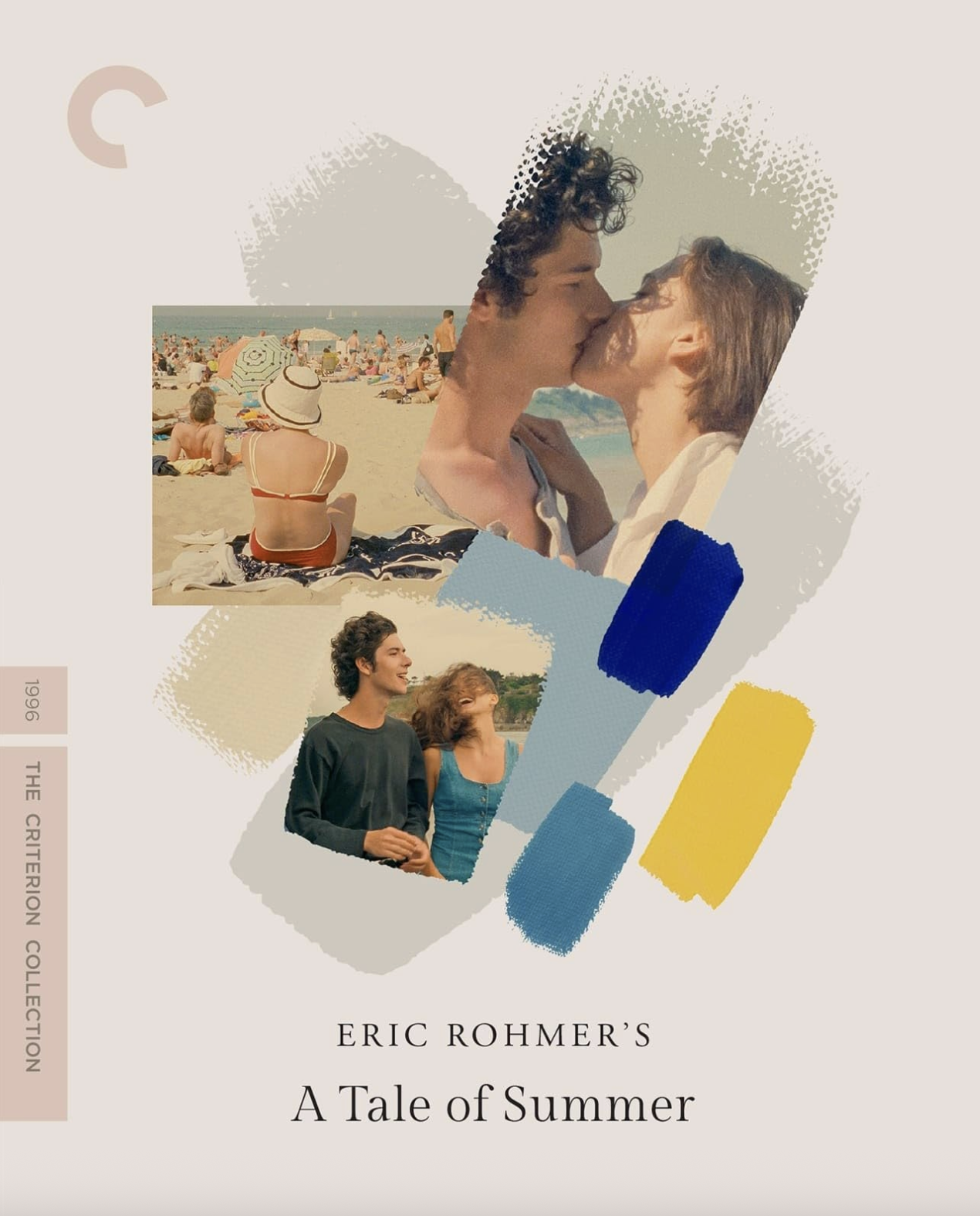
Conte d’été (A Summer’s Tale)
Directed by Éric Rohmer
Top 9
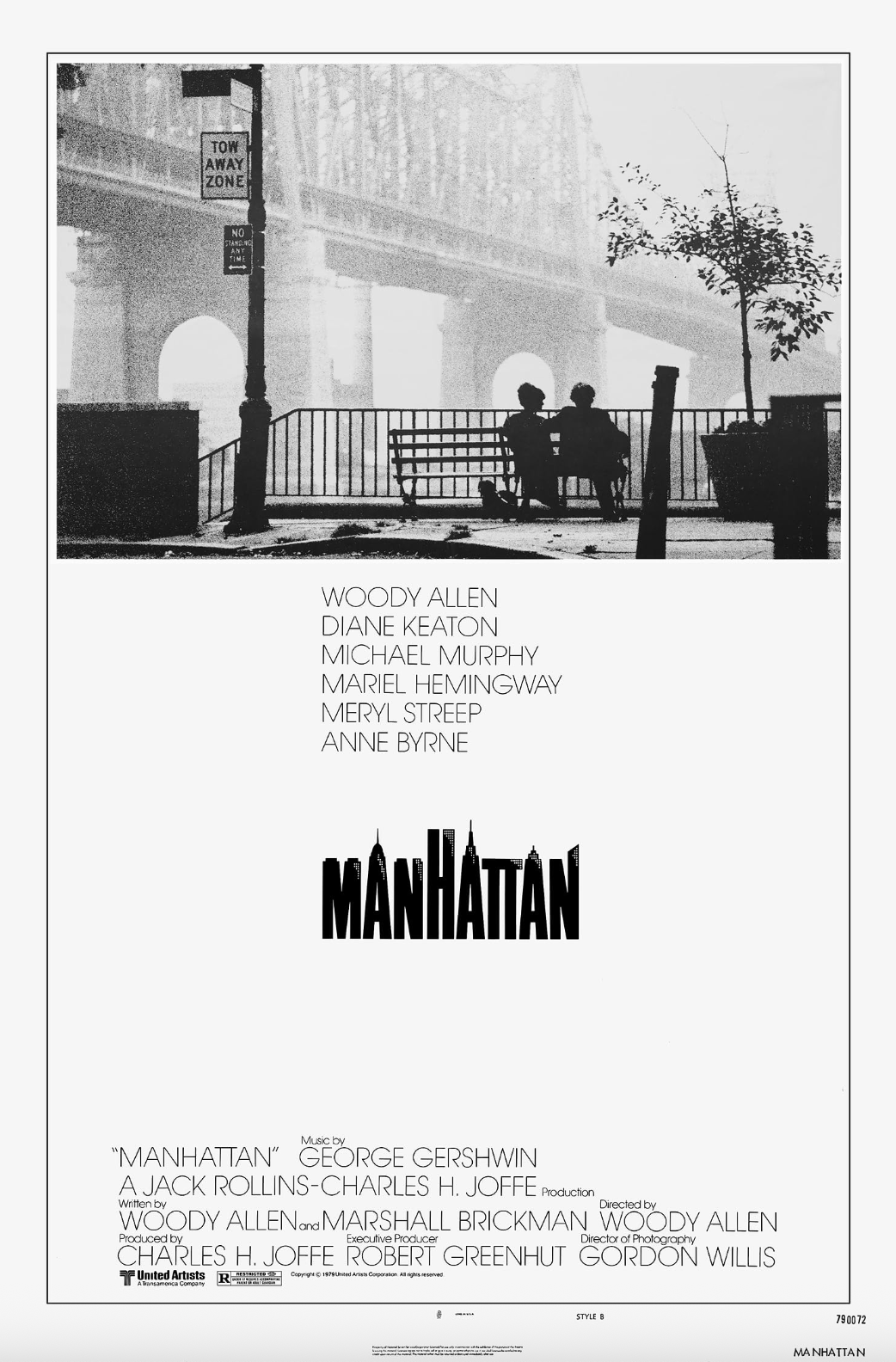
Manhatten
Directed by Woody Allen
Top 8
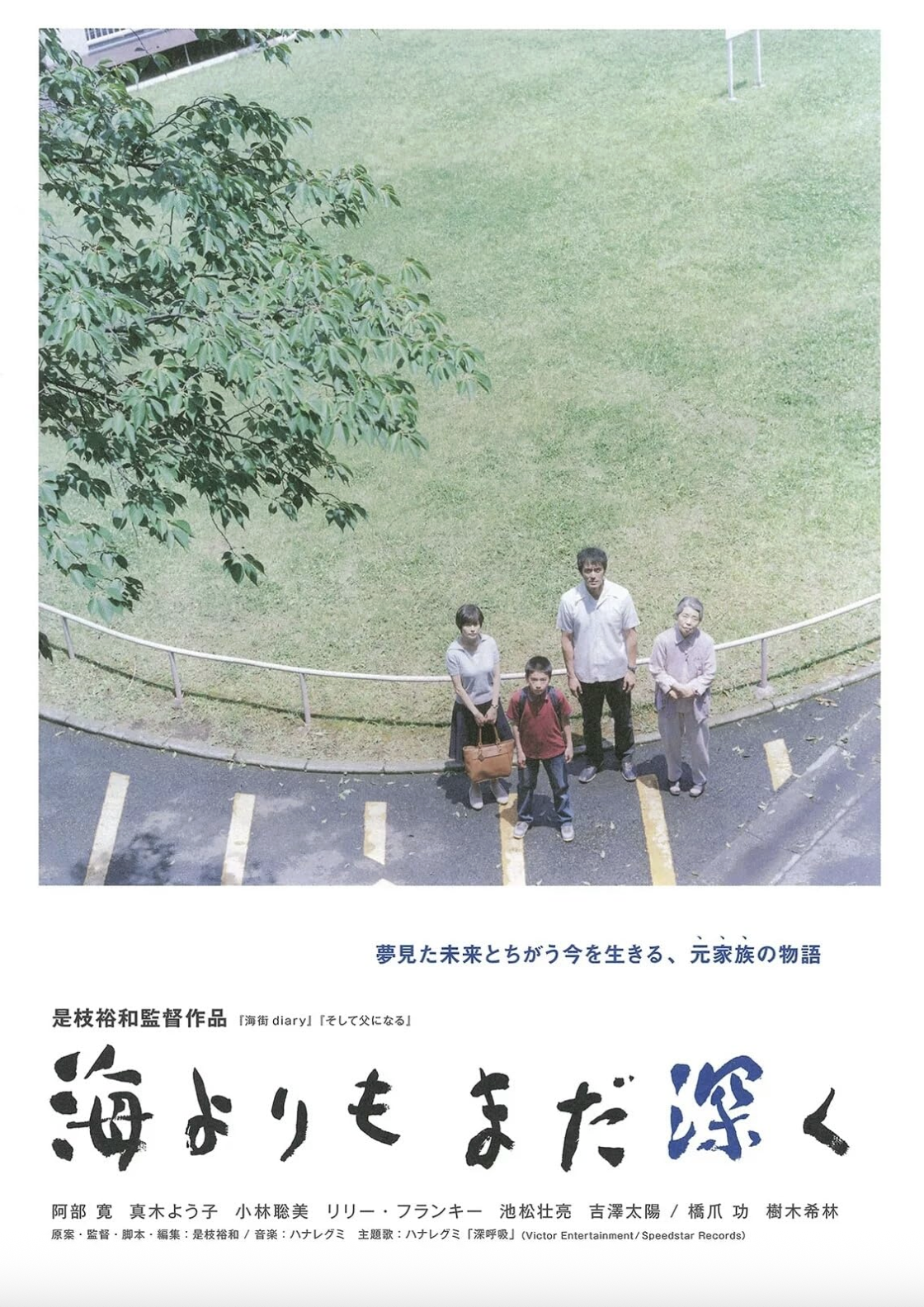
海よりもまだ深く (After the Storm)
Directed by Hirokazu Koreeda (是枝裕和)
Top 7
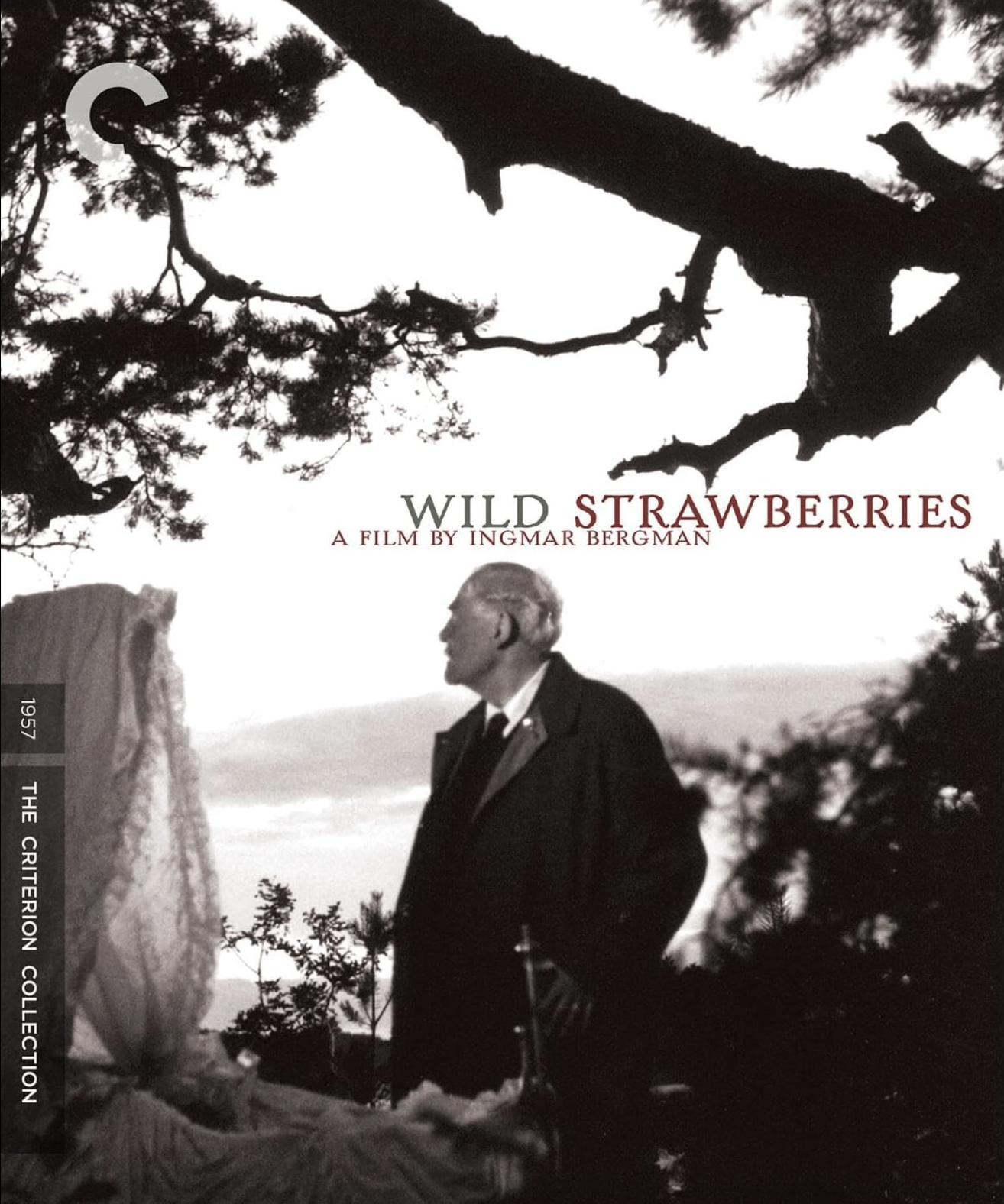
Smultronstället (Wild Strawberries)
Directed by Ingmar Bergman
Top 6
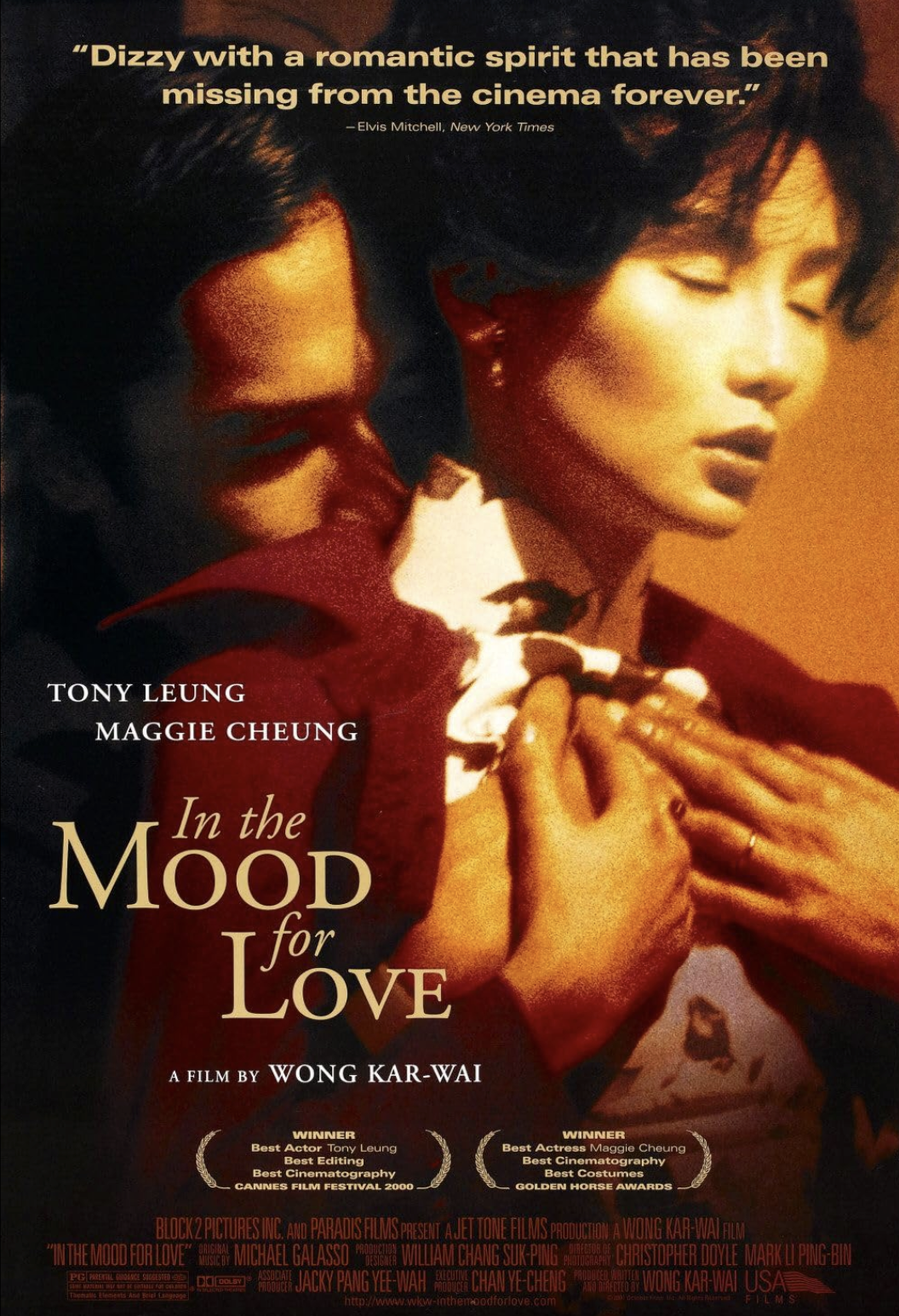
花样年华 (In the Mood for Love)
Directed by Wong Kar-Wai (王家卫)
Top 5
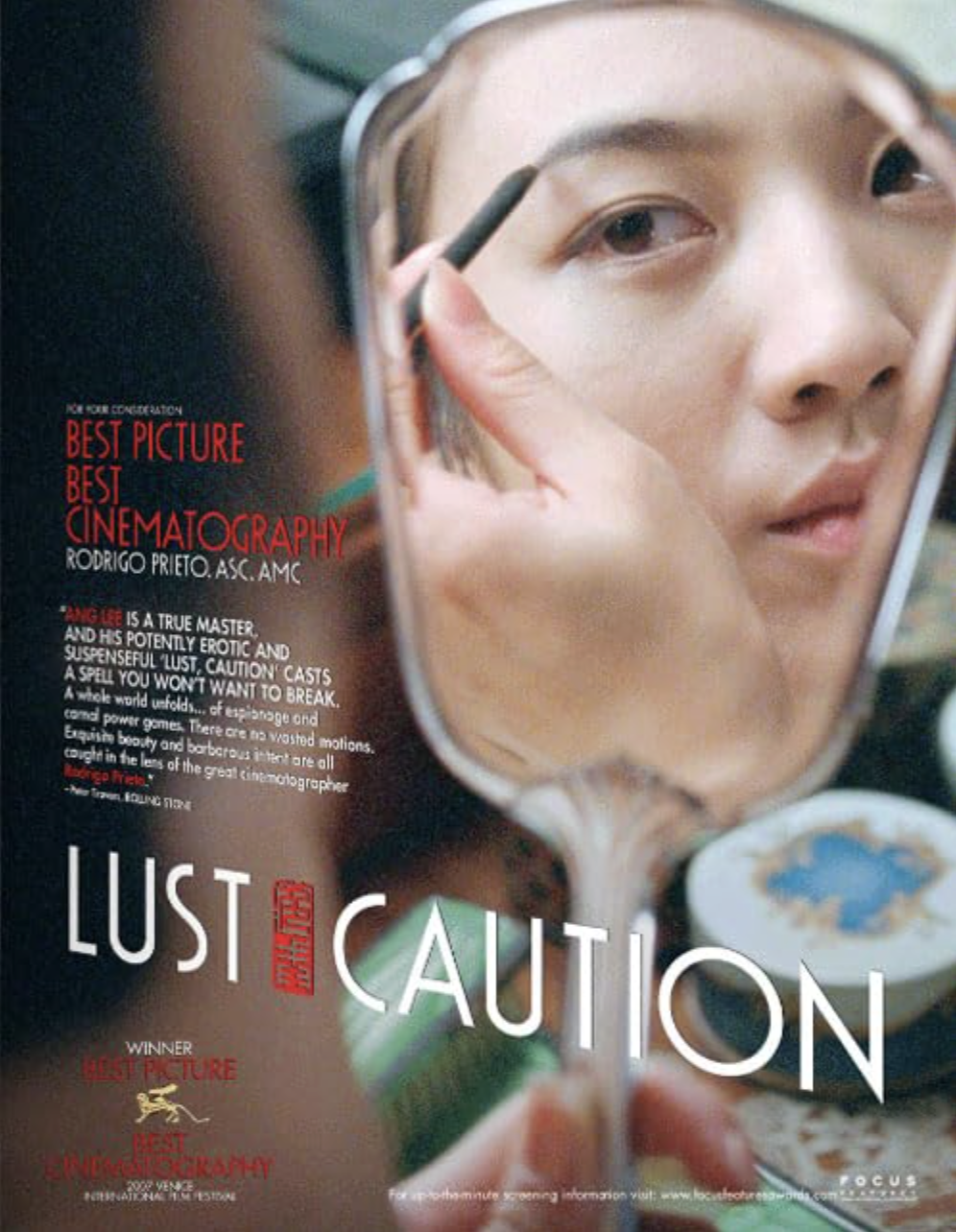
色戒 (Lust, Caution)
Directed by Ang Lee (李安)
Top 4
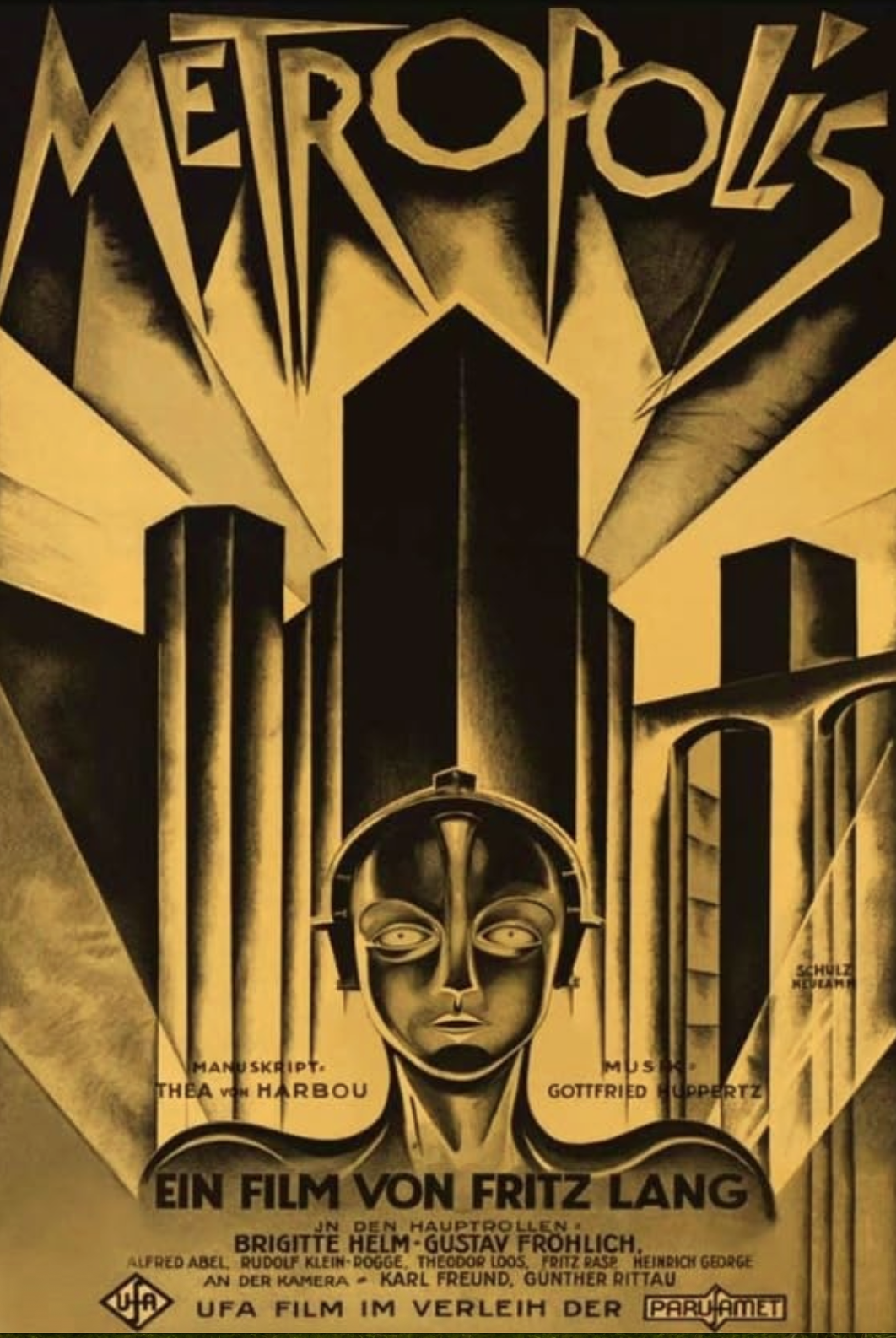
Metropolis
Directed by Fritz Lang
Metropolis was once a fable about industrial capitalism, class division, and the dehumanisation of labour. Almost a century later, parts of it no longer feel entirely metaphorical. As AI is increasingly used in industry to raise productivity and reduce the need for human labour, I often wonder who actually benefits from those gains.
This is also one reason I care about whether AI research is trustworthy and serves the social good. “The mediator between head and hands must be the heart” resonates with me because technological progress, to me, means very little if it is disconnected from human values and responsibility.
Top 3
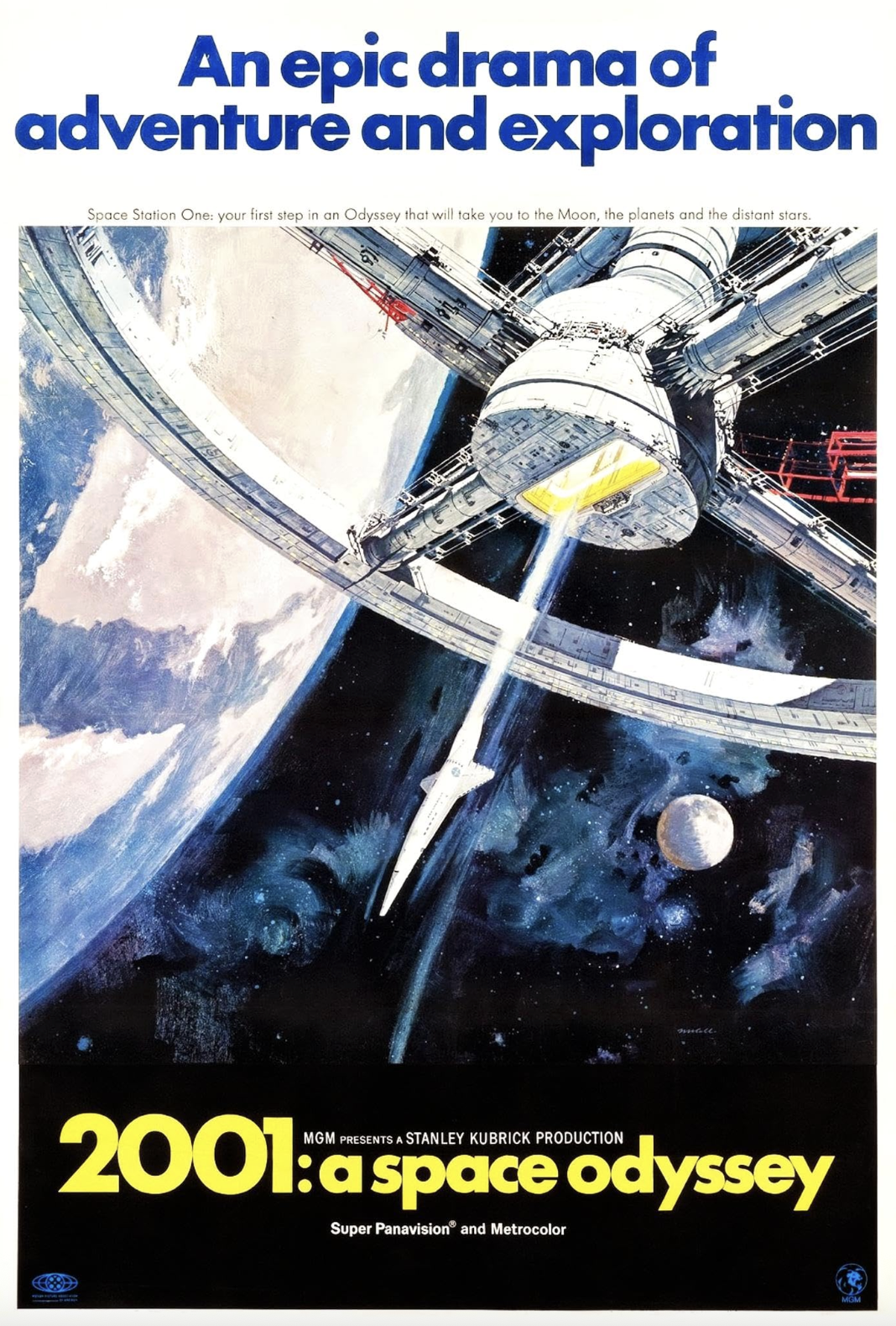
2001: A Space Odyssey
Directed by Stanley Kubrick
A Sci-Fi epic whose echoes still seem to be reaching us more than half a century later, perhaps even from the future. The hallucinatory, surreal final ten minutes still make my heart race, and bring me back to the same question: how do consciousness and life come into being? In our search for the origins of intelligence, how deep below the surface can we ever reach, and what does that search ultimately mean?
Top 2
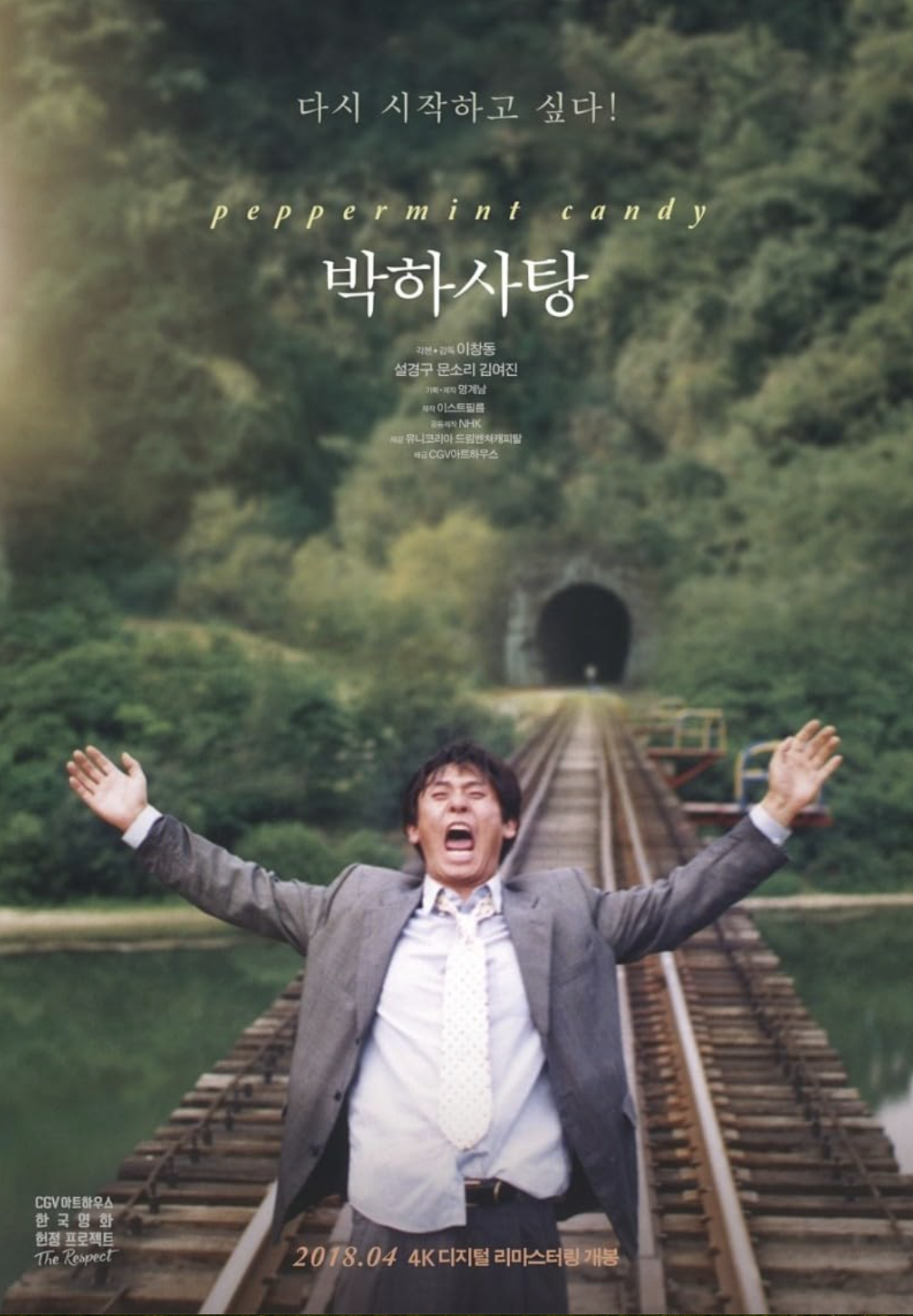
박하사탕 (Peppermint Candy)
Directed by Lee Chang-dong
Many Korean films I’ve seen confront the darker sides of reality with a certain coldness, sometimes brutally, sometimes through black humour. But Peppermint Candy feels strangely gentle. As time keeps moving backwards, there is almost an illusion that all the pain carried in a person’s memory, and in the memory of a society, could somehow be undone, until we arrive at a moment when none of it had happened yet.
Top 1
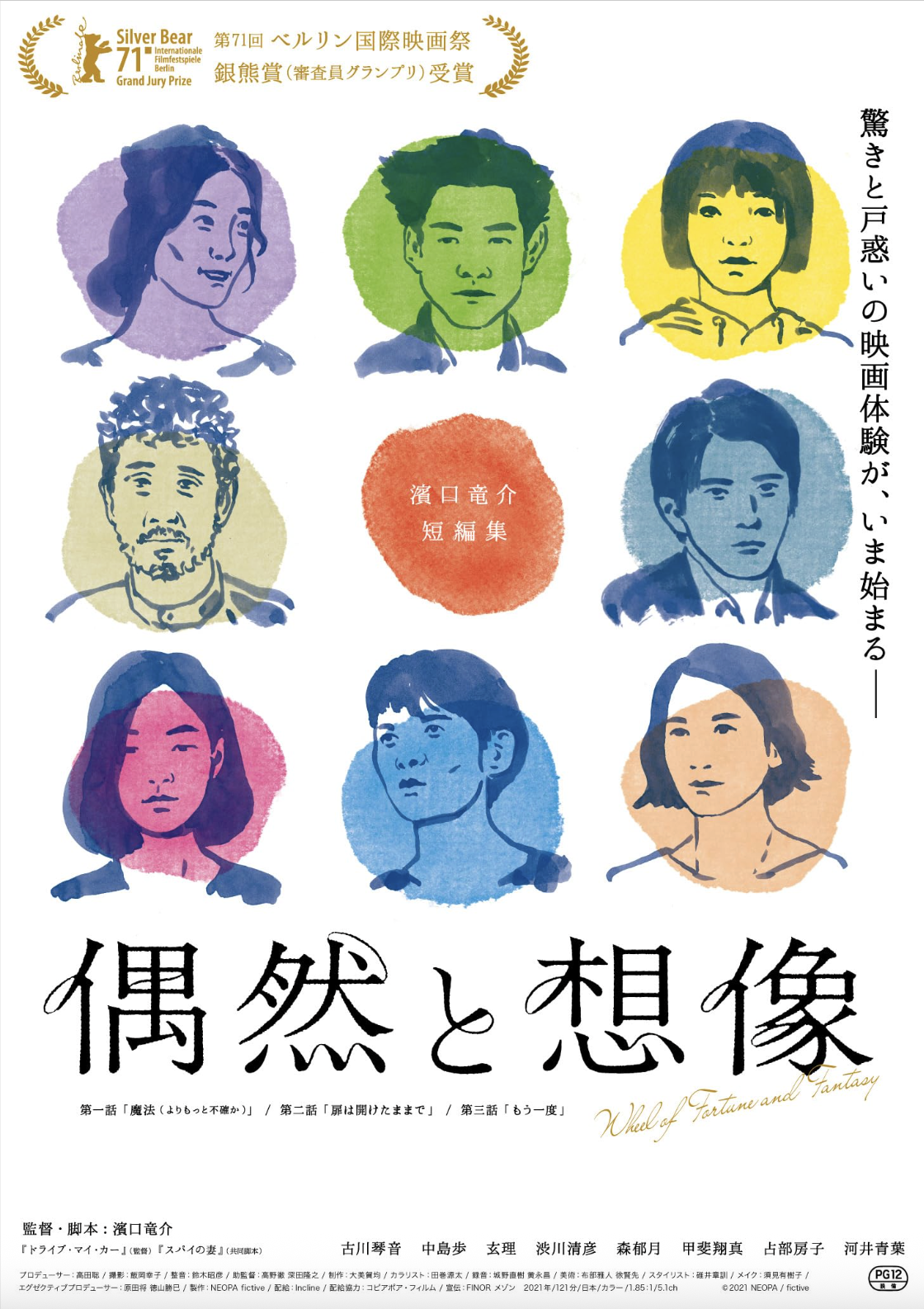
偶然と想像 (Wheel of Fortune and Fantasy)
Directed by Ryusuke Hamaguchi (滨口龙介)
I love the way Hamaguchi uses carefully written dialogue to fill in what happens beyond the frame. Even in the simplest situations, the kinds of routines that might repeat countless times in our lives, there seem to be shared subconscious feelings that we never quite notice.
His films always make me feel that something in my own experience can resonate with someone else’s, even with people, moments, or things impossibly distant from me in time and space. And this is probably my favourite of his films. It feels as if he distilled all the things he loves about cinema into these three stories. Through all the imagining and role-playing, the boundaries between the characters, their imagined selves, and even my own sense of self begin to blur.